

Nestled in the lowlands of eastern Bolivia, the Chiquitano people are one of the most culturally rich Indigenous groups in the Santa Cruz region. Known for their resilience, deep connection to nature, and vibrant artistic expressions, the Chiquitano have preserved their heritage despite centuries of change. Their art, in particular, serves as a living testament to their traditions, spirituality, and worldview.
Who Are the Chiquitano?
The Chiquitano people, also known as Chiquitos, have inhabited the tropical forests of Bolivia for centuries. They are the descendants of various Indigenous groups that lived in the region before Spanish colonization. During the 17th and 18th centuries, Jesuit missionaries established settlements known as “reducciones” in Chiquitano territory, introducing new artistic and architectural influences that blended with traditional Indigenous styles. Today, the Chiquitano community remains one of the largest Indigenous groups in Bolivia, with a strong presence in Santa Cruz and surrounding areas.
Chiquitano Art and Its Cultural Significance
Art has always played a crucial role in Chiquitano culture, serving as a means of storytelling, religious expression, and identity preservation. Their artwork reflects their deep spiritual beliefs, connection to nature, and historical experiences.
1. Wood Carving and Sacred Symbolism
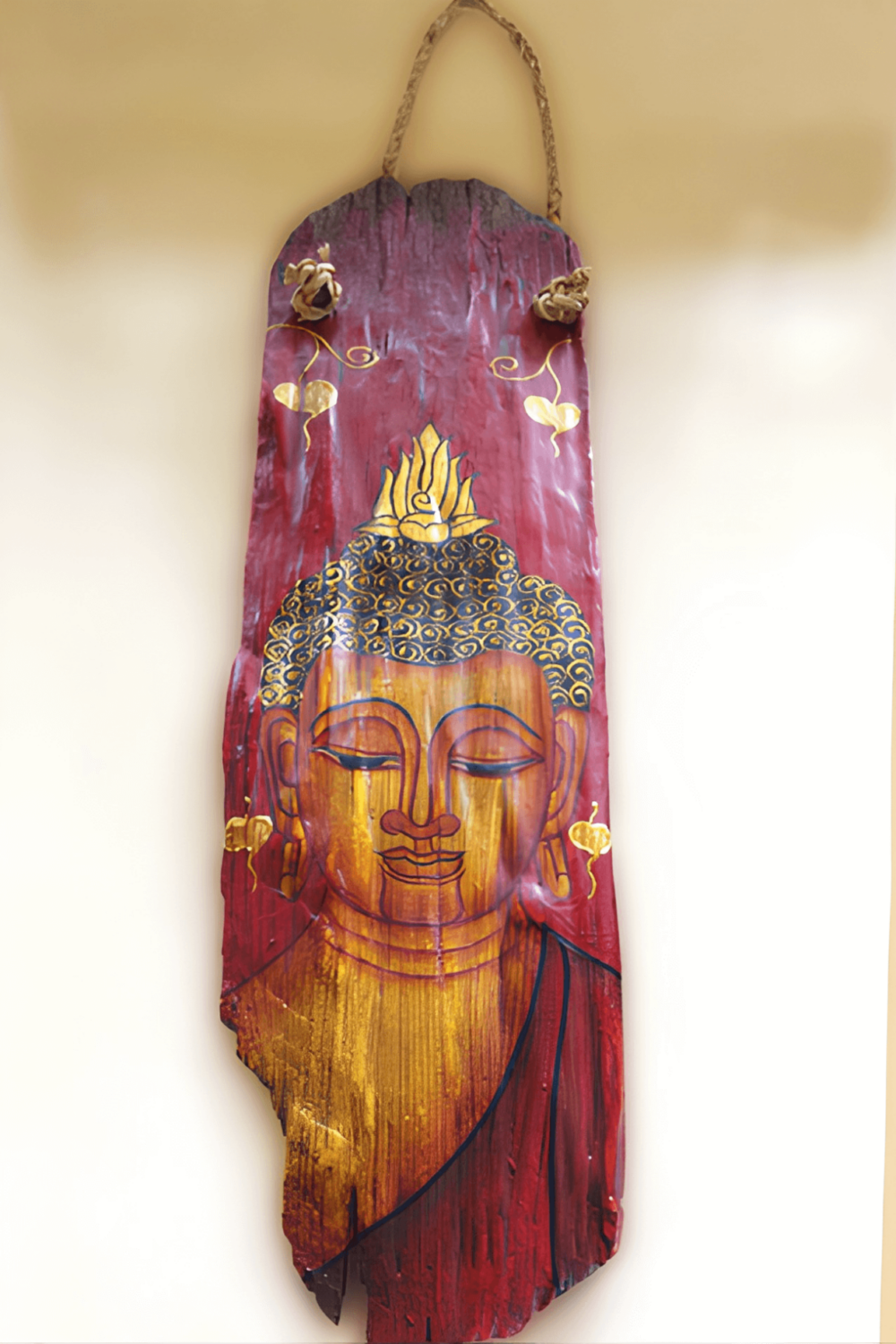
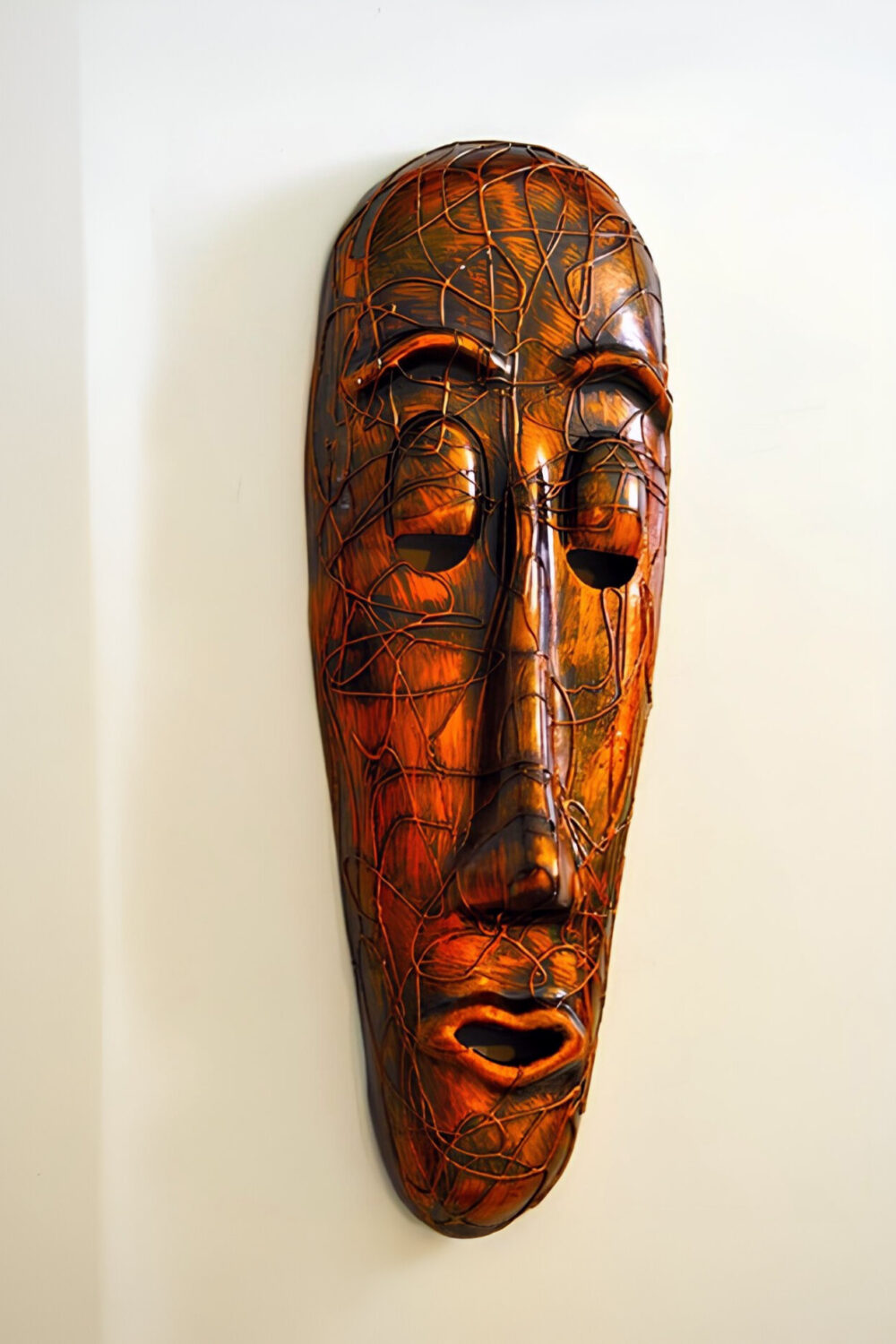
One of the most distinctive forms of Chiquitano art is wood carving. Inspired by both ancestral traditions and Jesuit influences, Chiquitano artisans create intricate wooden sculptures, religious icons, and decorative pieces. Many of their carvings depict animals, spirits, and mythological figures, representing their harmonious relationship with the natural world.
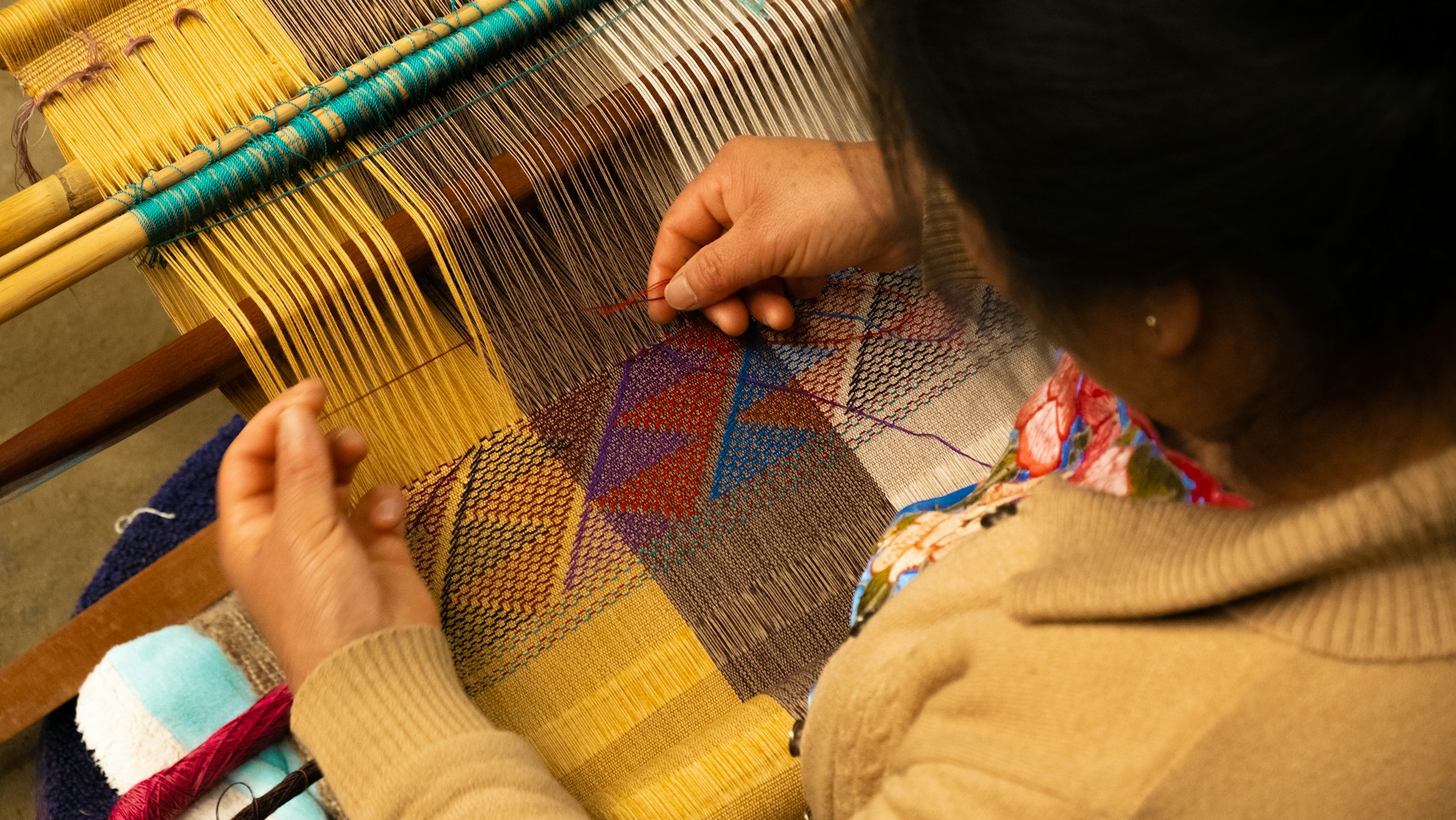
2. Textile and Weaving Traditions
Chiquitano textiles are crafted using natural fibers and traditional weaving techniques passed down through generations. Their patterns often feature symbolic motifs related to their environment, such as birds, trees, and rivers. These textiles are used in ceremonial clothing and everyday attire, maintaining a tangible link to their heritage.
3. Musical and Architectural Legacy
Music is an integral part of Chiquitano artistic expression. The Jesuits introduced Baroque-style music during the colonial period, and the Chiquitano adopted and transformed it into a unique fusion of Indigenous and European sounds. Even today, traditional Chiquitano music is played on handcrafted wooden instruments during religious and cultural festivals. Their architectural legacy is equally remarkable. The Jesuit Missions of Chiquitos, a UNESCO World Heritage site, stand as a breathtaking example of Indigenous craftsmanship blended with colonial baroque styles. These missions, with their elaborate wooden altars and frescoes, showcase the artistic excellence of the Chiquitano people.
Preserving Chiquitano Art for the Future
Despite modernization and external influences, the Chiquitano people continue to uphold their artistic traditions. Efforts to promote and preserve their art are growing, with local workshops, cultural festivals, and Indigenous cooperatives supporting artisans in sharing their work with the world. By appreciating and acquiring Chiquitano art, not only do we celebrate a rich cultural legacy, but we also contribute to the sustainability of these traditions for future generations.
Explore our collection of handcrafted Chiquitano art and bring a piece of Bolivia’s cultural heritage into your home.

Born and raised in Santa Cruz, he has spent over two decades studying and documenting the artistic expressions of Bolivia’s Indigenous communities. Miguel works closely with local artisans to promote and preserve their work, ensuring that the world recognizes the beauty and significance of Bolivian heritage.
- The Artistic Legacy of the Chiquitano People - November 4, 2024